Toilet paper arts and crafts for preschool reuse work best when clean cardboard tubes are collected from dry storage, inspected, and paired with washable glue, child-safe paint, and large decorations. Adults should discard damp, stained, crushed, or questionable rolls, then pre-cut any difficult openings before children begin. Flattened tubes suit printing and collage work, while intact tubes can become binoculars, animals, flowers, or rolling paint tools. Keep small loose parts away from children who still mouth objects, supervise scissors and adhesives, and treat each tube as a low-cost art material rather than proof that a finished project must look identical.
Choosing and Preparing Cardboard Tubes
Cardboard condition matters more than the number of tubes available. A usable tube should be dry, odor-free, reasonably firm, and free from visible residue. Store empty rolls in a clean container outside the bathroom rather than leaving them near a toilet or sink. If a family or classroom prefers not to reuse bathroom rolls, clean mailing tubes, paper-towel tubes cut into shorter lengths, or new cardboard craft tubes provide the same basic shape.
Visual inspection is more useful than trying to rescue questionable material. Discard a tube if it is damp, stained, peeling from moisture, unusually soft, or difficult to identify. Washing cardboard is not an effective preparation method because water weakens its layers and creates a slow-drying interior. Covering a dirty tube with paint or paper does not correct the underlying concern. The practical rule is simple: begin only with clean, dry material from a known source.
Prepare tubes according to the task rather than applying one setup to every project. Intact cylinders stand upright and roll, making them useful for figures, towers, and paint tracks. A lengthwise slit creates a flexible cuff or curved wall. Flattening the cylinder produces two firm creases that preschoolers can stamp into paint or cut into short rings with adult help. Adults should make narrow slots, punctures, and resistant cuts in advance; preschool scissors are better reserved for paper, yarn, and softened cardboard edges.
A compact preparation check prevents avoidable interruptions:
- Inspect: Check dryness, smell, surface condition, and firmness.
- Modify: Complete hard cuts, holes, or slits before the activity.
- Sort: Separate intact, flattened, and pre-cut pieces by intended use.
- Test: Try the glue or paint on one tube because coated cardboard may resist adhesion.
- Limit: Offer only the quantity and decorations needed for that session.
A common mistake is collecting a large bag of rolls without deciding how they will be stored or used. Cardboard compresses easily, and an overflowing supply can become dusty or damaged before it reaches the table. Keep a modest number of sound tubes and recycle the excess. Readers planning several Toilet paper arts and crafts for preschool reuse activities can label small bins by form—whole, flattened, and rings—so preparation remains visible and manageable.
Setting Up a Preschool-Friendly Work Area
A successful tube activity gives children a few meaningful choices without placing every available supply within reach. Set out the cardboard base, one reliable adhesive, two or three decoration types, and a defined drying space. Too many pom-poms, scraps, colors, and tools can shift attention from building to dumping and sorting. A smaller selection makes it easier for children to decide where a wing, window, handle, or painted mark should go.
Washable liquid glue usually grips porous cardboard better than a glue stick, but it needs time and controlled application. Pour a small amount into a shallow cup and provide a short brush or cotton swab. Children can paint glue onto the attachment area instead of squeezing a large puddle from a bottle. Glue sticks create less mess and work well for lightweight paper wraps, although curled edges may lift as the tube pushes back. Tape gives immediate hold, but young children may need pre-torn tabs because tape can fold onto itself.
Choose decoration sizes with the specific group in mind. Large paper shapes, wide fabric strips, chunky crayons, and broad stickers are easier to handle than sequins or tiny beads. Small loose parts are unsuitable for children who still put objects in their mouths and require close supervision with any preschool group. Avoid staplers, sharp wire, brittle embellishments, and long cords. Yarn used for a handle or hanging piece should remain short and should not be placed around the neck.
Paint setup deserves its own restraint. A thin coat of washable tempera dries more predictably than a saturated layer that softens the tube. Place the cylinder on a tray and rotate it rather than asking a child to hold a wet tube in the air. For rolling prints, secure paper inside a shallow box lid, add small dots of paint, and let the tube roll across the surface. Stop if the cardboard begins to unravel; a fresh dry tube is easier to control than a waterlogged one.
Plan for the gap between assembly and use. A pair of pretend binoculars may look complete while its glue joints remain weak. Move finished work to a named tray and return it after drying rather than testing it immediately. Signs of a workable setup include children reaching materials independently, glue staying near joints, and completed pieces retaining their shape. Repeated spills, collapsing rolls, or constant adult repair indicate that the supply range is too broad, the adhesive is too wet, or the construction steps are beyond the current group.
Six Reuse Builds That Match Preschool Skills
Different tube forms exercise different preschool actions, so the strongest project is the one matched to what children can actually do. A younger group may be ready to press, wrap, and place large shapes but not align multiple narrow pieces. Older preschoolers may enjoy planning windows, counting legs, or connecting two cylinders. Finished appearance should remain secondary to handling materials and making visible choices.
Standing Creatures and People
Keep the tube whole, add large paper eyes or drawn features, and attach broad ears, wings, or arms. A child can choose whether the form becomes an owl, rabbit, robot, family member, or invented creature. Cut paired shapes in advance if symmetry is part of the prompt, but let the child determine placement. Heavy clay feet may topple the figure; a square cardboard base attached by an adult is a steadier alternative.
Two-Tube Binoculars
Place two tubes side by side and join them with wide tape or glue plus a paper band. Children can cover the band with marks or stickers and use the object for an indoor picture hunt. Skip the neck strap, which adds little to the play value and introduces an avoidable cord concern. If the tubes separate during play, reinforce the center band rather than adding more wet glue to the outside.
Petal and Shape Printing
Flatten one end into a pointed oval, dip it lightly into paint, and stamp petals around a drawn center. A round tube prints circles; a tube pinched at two points can create a simple heart-like mark. Shallow paint produces clearer edges than a deep puddle. This option is particularly useful when there is limited drying space because the artwork lies flat and the printing tool can be discarded or recycled after it dries.
Cardboard Ring Collage
An adult cuts a flattened tube crosswise into wide loops. Preschoolers arrange the loops as flowers, scales, leaves, or an abstract pattern on sturdy paper. The pieces spring upward, so liquid glue and patient drying work better than expecting each loop to lie flat. For an easier version, cut each loop open and let children use the curved strips as lines.
Rolling Paint Tracks
Roll a bare tube through small areas of paint and across a large sheet. Children can compare a smooth cylinder with one wrapped loosely in bubble-free corrugated paper or fitted with removable foam shapes. Use only secure surface additions; pieces that shed turn the activity into cleanup rather than mark-making. This build emphasizes motion and pattern instead of producing a recognizable object.
Windowed Buildings
Adults pre-cut one or two door flaps, while children draw windows and add paper roofs. Several buildings can form a small street or block-play setting. Tall towers made by balancing many tubes are less stable than short structures taped to a cardboard base. The six examples in Toilet paper arts and crafts for preschool reuse can all be simplified by reducing attachments, or extended by inviting children to add stories, labels, repeated patterns, or connected scenery.
Fixing Common Construction Problems
Most failed tube builds come from mismatched materials rather than a child doing the activity incorrectly. Cardboard bends under excess moisture, curved surfaces push flat paper outward, and small attachment points cannot support heavy decorations. Identifying the physical cause leads to a useful adjustment; repeatedly adding glue often makes the failure worse.
If a paper wrap keeps opening, shorten it so it overlaps only slightly, crease it around the tube before gluing, and hold the seam with a temporary piece of low-tack tape. A glue stick may work on lightweight paper, while thicker paper usually needs brushed liquid glue and drying time. If ears or wings slide downward, widen the tab that touches the tube. A broad folded tab distributes the weight better than gluing a thin edge directly to the curved wall.
Collapsing tubes signal too much paint, forceful gripping, or weak starting material. Offer a dry replacement and demonstrate rotating with fingertips near the rim. Stuffing the tube with scrap paper can strengthen it temporarily, but that changes how recyclable the finished object is and may not be necessary for a short display. When paint causes the layers to separate, allow less paint on the next attempt rather than sealing the damaged cardboard under another coat.
Unstable figures need a wider footprint. Cut small slits at the bottom and fold out tabs, or attach the tube to a reused cereal-box square. By comparison, adding heavy material inside the cylinder may lower its center of gravity but also makes the project harder to recycle and more frustrating if the weight shifts. A base is visible, predictable, and easier for preschoolers to decorate.
Adult takeover is another form of project failure. Correcting uneven eyes, repainting missed spots, or rebuilding a leaning creature may produce a neater display but removes the child’s decisions from the object. Intervene when a cut, tool, or loose part presents a concern, or when the child asks for help with a joint. Otherwise, ask a concrete question such as, “Which part needs to stay attached?” and offer two workable methods. A successful preschool build may be asymmetrical; it should still reflect the child’s placement, color, and storytelling choices.
Using Tube Projects for Open-Ended Learning
Cardboard tubes are most valuable when their shape creates a problem children can investigate. A cylinder rolls but does not stack reliably on its side. It stands vertically but has a narrow base. It can act as a tunnel, handle, printing tool, character body, or building column. Those properties invite prediction and revision without turning the activity into a worksheet disguised as art.
Language can be added through specific observations rather than quizzes. Ask what changed when the tube was flattened, why one attachment stayed on, or where a building needs support. During pretend play, children may name creatures, describe a cardboard neighborhood, or explain what they can see through binoculars. Record a child’s short sentence on a display card if desired, but avoid requiring every child to provide the same answer.
Early mathematics fits naturally when it serves construction. A child can request two wings, compare long and short paper strips, repeat a color pattern, or count windows on a row of buildings. The comparison should remain visible and useful to the object. Asking children to glue a prescribed number of identical dots may practice counting, but it narrows the design and can make adults focus on correctness rather than how the material behaves.
Reuse also offers a concrete distinction between extending a material’s life and keeping every finished object forever. Remove reusable clips or non-paper additions when possible, save sturdy examples for later play, and recycle clean paper-based remnants according to local acceptance rules. Painted, taped, or mixed-material work may not belong in every recycling stream, so reuse should not be presented as automatically waste-free. A low-material printing activity can be a better choice than a heavily decorated model when disposal is a priority.
Document the process with one photo or a brief note about the child’s decision instead of judging only the final display. Useful signs include trying a second attachment method, changing a plan after a tube rolls away, or using the object in a story. If every piece looks identical and adults completed most joins, simplify the model next time and return more decisions to the children. That shift makes Toilet paper arts and crafts for preschool reuse a genuine exploration of shape and materials rather than an assembly line.
Frequently Asked Questions
Should toilet paper rolls be washed before preschool use?
No. Water weakens layered cardboard and can leave the interior damp. Use only clean, dry tubes from known storage, inspect them, and discard any questionable roll.
What glue works best on cardboard tubes?
Washable liquid glue applied sparingly with a small brush works well for porous cardboard and heavier paper. A glue stick is less messy but is better suited to lightweight wraps and flat decorations.
Can preschoolers cut the tubes themselves?
Thick curved cardboard can resist preschool scissors and cause hands to slip. Adults should make holes, slots, and difficult cuts; children can cut paper or prepared soft strips with supervised, child-appropriate scissors.
How can a cardboard-tube figure stand upright?
Begin with a firm tube and attach its lower edge to a broad cardboard square. Folded bottom tabs can also widen the footprint, while heavy decorations should remain low or be replaced with paper.
What can replace toilet paper rolls for the same activities?
Use new cardboard craft tubes, clean paper-towel tubes cut to size, or sections of mailing tube. Match the wall thickness to the task because dense mailing tubes require adult cutting.
Conclusion
Begin with a small supply of clean, dry tubes and prepare only the cuts that preschool hands cannot manage safely. Match the tube form to the intended action: whole cylinders for figures and buildings, flattened pieces for rings and stamps, and bare tubes for rolling paint. Limit adhesives and decorations so children can concentrate on joining, placing, printing, and revising rather than navigating a crowded table. When a piece collapses or separates, adjust moisture, attachment area, weight, or drying time before blaming the design. Most importantly, preserve the child’s decisions. A sturdy but imperfect animal, invented building, or pattern carries more preschool value than a polished model largely assembled by an adult. Inspect the saved supply, select one build suited to the group, and test its adhesive before the next session.
Now retrieving an image set.
B7000 Jewelry Glue for Making, FITTDYHE 1PCS 50ML/1.69 fl oz Clear Adhesive for Rhinestone, Fabric, Multipurpose Super B-7000 for Phone Repair, Nail Art, Wood, Glass, Charms
$5.99 (as of September 18, 2026 22:40 GMT -04:00 - More infoProduct prices and availability are accurate as of the date/time indicated and are subject to change. Any price and availability information displayed on [relevant Amazon Site(s), as applicable] at the time of purchase will apply to the purchase of this product.)
Now retrieving an image set.
Crayola Construction Paper Bulk Pack (480 Sheets) – 10 Assorted Colors, 9x12, Teacher School Supplies & Classroom Must Haves, Card Making Craft Supplies, Art Paper
$11.76 (as of September 18, 2026 22:40 GMT -04:00 - More infoProduct prices and availability are accurate as of the date/time indicated and are subject to change. Any price and availability information displayed on [relevant Amazon Site(s), as applicable] at the time of purchase will apply to the purchase of this product.)
Now retrieving an image set.
Goo Gone Adhesive Remover Spray Gel 12 Oz with Scraper, Surface Safe | Citrus Cleaning Power for Hard Surfaces, Carpet & Fabric, Removes Glue, Stickers, Tape Residue, Grease, Gum & Wax, Drip Free
$17.98 (as of September 18, 2026 22:40 GMT -04:00 - More infoProduct prices and availability are accurate as of the date/time indicated and are subject to change. Any price and availability information displayed on [relevant Amazon Site(s), as applicable] at the time of purchase will apply to the purchase of this product.)
Now retrieving an image set.
Elmer's All Purpose School Glue Sticks, Acid-Free and Washable, Clear, 7 Grams, 30 Count - Craft Projects, Poster, Classroom Supplies, #1 Teacher Brand
$10.99 (as of September 18, 2026 22:40 GMT -04:00 - More infoProduct prices and availability are accurate as of the date/time indicated and are subject to change. Any price and availability information displayed on [relevant Amazon Site(s), as applicable] at the time of purchase will apply to the purchase of this product.)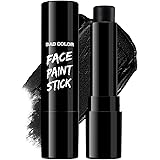
Now retrieving an image set.
BADCOLOR Black Cream-Blendable Face Body Paint Stick for Adults Children Eye Black Softball Football Baseball Sports , Non-Toxic Hypoallergenic for Halloween SFX Makeup Cosplay Joker Costume Parties
$5.99 (as of September 18, 2026 22:40 GMT -04:00 - More infoProduct prices and availability are accurate as of the date/time indicated and are subject to change. Any price and availability information displayed on [relevant Amazon Site(s), as applicable] at the time of purchase will apply to the purchase of this product.)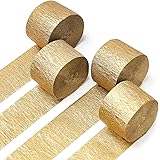
Now retrieving an image set.