A paper plate panda craft with contrasting shapes creates the clearest face when a white circular base is paired with large black semicircle ears, oval eye patches, a small triangular nose, and a curved mouth. Place the eye patches symmetrically but let the pupils vary slightly so the panda remains expressive rather than mechanical. Matte construction paper gives stronger black-and-white contrast than light pencil or thin marker lines, while a glue stick limits wrinkles on the plate. Precut shapes suit younger children; independent tracing and cutting add geometry and fine-motor practice for older children.
Choosing Shapes That Read Clearly as a Panda
A recognizable panda face depends more on silhouette and value contrast than on fine detail. The white plate supplies the broad circular head, while a small group of black forms establishes the animal: two ears above the rim, two eye patches around the center, and a nose below them. Keeping those features visually separate prevents the black areas from merging into an unclear mass.
Simple geometry makes the design easier for children to plan and assemble. Full circles or semicircles work well for ears because they remain identifiable even when they are not cut evenly. Long ovals create the characteristic eye patches, while smaller white circles and black pupils introduce nested shapes. A rounded triangle gives the nose a clear direction: its wider edge sits above the point, which leads the eye toward the mouth.
Proportion matters more than perfect symmetry. Each eye patch can be roughly one-quarter of the plate’s width, with a narrow white gap between the two patches. Ears should extend beyond the rim without being so large that they resemble mouse ears. Before gluing, set the pieces on the plate and view it from several feet away. If the face reads as a panda at that distance, the contrast and scale are doing their job.
A frequent mistake is adding tiny features because adults associate detail with realism. Small pupils, narrow ears, or a delicate nose may disappear against a classroom wall or become difficult for young hands to position. Bold shapes are more forgiving. They also make the activity useful for discussing circles, ovals, triangles, relative size, and bilateral placement without turning the finished animal into a geometry worksheet.
Uniform templates produce a tidy group display, but child-drawn shapes preserve more individual decision-making. A useful compromise is to provide approximate size examples rather than exact patterns. Children can compare an oval eye patch with a circular one, then decide which better suggests a panda. For a related variation on the same visual idea, use the planning principles in Paper plate panda craft with contrasting shapes as a reference for balancing black forms across a white base.
Materials and Preparation for Clean Contrast
Material choices determine whether the black-and-white design stays crisp or becomes wrinkled, gray, and hard to read. A plain white paper plate with a matte surface is the easiest base. Heavily coated plates may resist glue, while thin plates can buckle when covered with wet adhesive. If the plate has a glossy food-safe coating, test one scrap near the edge before preparing an entire group activity.
Black construction paper offers stronger coverage than crayons and requires fewer repeated hand movements than coloring large areas. Cardstock creates firm ears that hold their shape, although it is harder for beginners to cut. Lightweight construction paper is easier to trim and glue but may curl if too much liquid glue is applied. A glue stick is usually the cleanest option for facial pieces; a small amount of tacky craft glue may be useful where cardstock ears overlap the plate’s rim.
Prepare the workspace around the children’s actual cutting ability. Younger children can receive precut black ovals, circles, and triangles sorted into shallow trays. Children who can control scissors may trace around bottle caps for pupils, use a folded rectangle to cut two similar eye patches, or draw their own forms. Adults should handle craft knives, hot glue, and any cutting through thick stacked plates. Small loose pieces also require close supervision where children may still place objects in their mouths.
A compact supply check prevents interruptions:
- Base: one unprinted white paper plate per panda
- Contrast pieces: black construction paper or lightweight cardstock
- Eye layers: white paper circles plus smaller black pupils
- Tools: child-appropriate scissors, pencil, glue stick, and black marker
- Optional details: pink paper for cheeks or green paper for a bamboo sprig
Avoid patterned plates, off-white newspaper, and weak gray markers when the goal is shape contrast. Those options can be attractive in collage work, but they reduce the immediate distinction between positive white space and attached black forms. Likewise, covering the plate with black paint and repainting parts white adds drying time without improving the basic silhouette.
Batch preparation should save time without removing every choice. Cut paper into child-sized rectangles, place one completed sample where it can be observed, and leave the final proportions open. The material plan in Paper plate panda craft with contrasting shapes can be scaled from a kitchen table to a classroom by portioning one set of pieces and one glue stick per work area.
Assembly Order and Shape Placement
Dry placement before adhesive is the most reliable way to prevent crowded features. Set the plate right side up, arrange the ears behind its upper edge, and then place the eye patches on the front. The nose should sit below the midpoint between the eyes, leaving room for a short mouth. Children can move each piece until the face looks balanced instead of trying to repair a glued arrangement.
Begin permanent assembly with the parts that overlap the plate. Apply adhesive only to the lower portion of each ear, slide that section behind the rim, and press it flat. If the ears droop, the likely cause is thin paper, a narrow glued area, or excess wet glue. Reinforcing the back with a second paper semicircle is safer and lighter than using a bulky fastener.
Next, glue the two black eye patches. Tilting their upper ends slightly inward produces a familiar panda expression, but a vertical or outward angle can make each animal look different. Add the white eye circles on top, followed by the pupils. Placing both pupils toward one side makes the panda appear to look in that direction. Centered pupils look calmer and more formal. This is a useful example of how changing a small circle alters expression without changing the underlying construction.
Attach the triangular or rounded nose only after checking the eye spacing. Draw the mouth last with a black marker: a short vertical line below the nose and two shallow curves are enough. A large mouth can compete with the eye patches, while a faint pencil mouth may be invisible. Optional cheeks should remain lighter or smaller than the main black forms so they do not weaken the intended contrast.
The following order keeps overlapping pieces manageable:
- Arrange every shape without glue and check the face from a distance.
- Secure the ears behind the upper rim.
- Attach the eye patches, then layer the white eyes and pupils.
- Add the nose and draw the mouth.
- Let the plate lie flat until the adhesive holds.
Signs of a successful arrangement are easy to observe: both eyes remain distinct, the ears are visible above the rim, and the panda is recognizable before decorative extras are added. If the face looks busy, remove optional pieces rather than outlining everything repeatedly. If it looks empty, enlarge the eye patches first; they contribute more to panda recognition than whiskers, eyebrows, or a detailed muzzle.
Adapting the Activity by Age and Learning Goal
The same panda can support different levels of independence when the adult changes the decisions, not merely the difficulty of the scissors. Preschoolers can choose where to place prepared shapes and describe them by color, size, and position. Early elementary children can trace and cut the forms themselves. Older children can design a symmetrical template, compare dimensions, or intentionally vary the eye angles to study expression.
For a shape-recognition activity, name each piece before assembly and ask children to find a pair, a larger form, or a shape with curved edges. Keep the vocabulary tied to visible decisions: the ears are semicircles, the eye patches are ovals, and the nose resembles a rounded triangle. The panda will not fail if a child calls an oval a stretched circle, but comparing the two forms can sharpen observation without interrupting the creative process.
For fine-motor practice, folded-paper cutting is especially useful. A child can fold a black rectangle once, draw one ear or eye patch near the fold, and cut through both layers to create a related pair. The pieces may not be perfectly identical, which is acceptable. Cutting every component from a rigid template produces greater uniformity, whereas freehand cutting demands more planning and hand control. Choose the method according to the child’s current confidence rather than the desired appearance of a display.
Group settings need a different pace from one-to-one crafting. Demonstrate one stage, pause for children to complete it, and keep a finished model available without insisting that every face match it. Fast finishers can add a bamboo stem made from green rectangles and narrow leaf shapes. Children who need more time should be allowed to stop after the core facial features; extra decoration is not evidence of a better understanding of contrast.
Common adult corrections can unintentionally erase useful experimentation. Uneven ears, offset pupils, and nonmatching ovals often give the panda character while preserving its identifying pattern. Intervention is more appropriate when glue covers the work surface, scissors are being used unsafely, or overlapping black pieces make the eyes impossible to distinguish. The practical standard is readability and safe participation, not factory-like sameness.
Display can extend the visual lesson. Mount finished plates on a darker colored background so the white head remains visible, or place several pandas together and compare how position changes expression. The extension ideas associated with Paper plate panda craft with contrasting shapes work best when children can explain one choice they made, such as using larger patches, looking pupils, or paired semicircles.
Frequently Asked Questions
What shapes work best for a paper plate panda face?
Use semicircles for the ears, long black ovals for the eye patches, small circles for the eyes and pupils, and a rounded triangle for the nose. Large, uncomplicated forms remain easy to cut and clearly visible.
Should the panda eye patches be identical?
No. Similar size and placement provide balance, but slight differences make the face expressive. Folded paper can create a close pair when symmetry is part of the activity.
Which glue is best for attaching the shapes?
A glue stick works well for lightweight construction paper because it limits wrinkles. Use a small amount of tacky craft glue for heavier cardstock ears, then let the plate dry flat.
How can this panda activity be simplified for preschoolers?
Precut the small pieces, offer only the core facial shapes, and let children concentrate on matching pairs and choosing positions. Provide child-appropriate scissors only when close supervision and cutting practice are intended.
Why does the finished panda look unclear?
The eye patches may be too small, too close together, or hidden by other details. Remove optional decorations, separate the black forms with white space, and test larger eye patches before adding more outlines.
Conclusion
Clear black forms, visible white space, and deliberate placement matter more than perfect cutting in a paper plate panda. Choose materials that maintain strong contrast, size the eye patches generously, and arrange every piece before applying glue. Adapt the preparation to the child: offer precut forms when placement is the main goal, or add tracing, folded-paper cutting, and proportion decisions for children ready for greater control. Treat uneven shapes as valid design choices unless they obscure the face or create a safety problem. Before displaying the finished panda, view it from a few feet away. Distinct ears, separate eyes, and a readable nose indicate that the contrast is working; if not, simplify the decoration and adjust the largest black shapes first.
Now retrieving an image set.
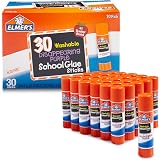
Elmer's Disappearing Purple School Glue Sticks, Washable, 7 Grams, 30 Count - Posters, Back to School, Bulk Pack for Classrooms, #1 Teacher Brand
$9.97 (as of September 29, 2026 22:47 GMT -04:00 - More infoProduct prices and availability are accurate as of the date/time indicated and are subject to change. Any price and availability information displayed on [relevant Amazon Site(s), as applicable] at the time of purchase will apply to the purchase of this product.)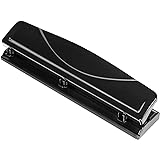
Now retrieving an image set.
Amazon Basics 3 Hole Punch, 10 Sheet Capacity, Black, Easy-Clean Tray
$9.48 (as of September 29, 2026 22:47 GMT -04:00 - More infoProduct prices and availability are accurate as of the date/time indicated and are subject to change. Any price and availability information displayed on [relevant Amazon Site(s), as applicable] at the time of purchase will apply to the purchase of this product.)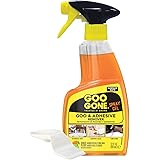
Now retrieving an image set.
Goo Gone Adhesive Remover Spray Gel 12 Oz with Scraper, Surface Safe | Citrus Cleaning Power for Hard Surfaces, Carpet & Fabric, Removes Glue, Stickers, Tape Residue, Grease, Gum & Wax, Drip Free
$17.98 (as of September 29, 2026 22:47 GMT -04:00 - More infoProduct prices and availability are accurate as of the date/time indicated and are subject to change. Any price and availability information displayed on [relevant Amazon Site(s), as applicable] at the time of purchase will apply to the purchase of this product.)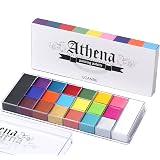
Now retrieving an image set.
UCANBE Athena Face Body Paint Oil Palette, 20 Colors Large Black White Professional Flash Tattoo Halloween SFX Party Artist Costume Festival Stage Cosplay Full Size Makeup Painting Kit 168g
$17.99 (as of September 29, 2026 22:47 GMT -04:00 - More infoProduct prices and availability are accurate as of the date/time indicated and are subject to change. Any price and availability information displayed on [relevant Amazon Site(s), as applicable] at the time of purchase will apply to the purchase of this product.)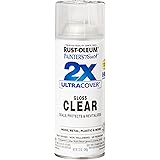
Now retrieving an image set.
Rust-Oleum Painter's Touch 2X Ultra Cover Spray Paint, Gloss Clear | Indoor and Outdoor Surfaces (Metal, Wood, Plastic), Fast Dry, Durable, Sprays from Any Angle, Comfort Tip, Oil Based
$5.98 (as of September 29, 2026 22:47 GMT -04:00 - More infoProduct prices and availability are accurate as of the date/time indicated and are subject to change. Any price and availability information displayed on [relevant Amazon Site(s), as applicable] at the time of purchase will apply to the purchase of this product.)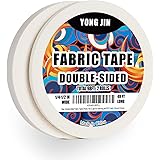
Now retrieving an image set.