Newborn craft ideas using safe keepsake materials work best when an adult creates the keepsake with archival paper, acid-free ink, untreated cotton, or a baby-safe inkless print kit while the newborn remains comfortable and closely supervised. Favor traced outlines, photographed details, and indirect-print methods over paint, clay, or ink placed on delicate skin. Keep beads, ribbons, dried flowers, magnets, and other detachable pieces outside the baby’s reach and away from sleep spaces. Label each piece with the date, allow every component to dry fully, and store finished keepsakes in an acid-free box or securely closed display frame.
Choosing Materials for Newborn Keepsakes
A suitable newborn keepsake material should have a clear purpose, limited contact with the baby, and enough durability to survive storage. Archival or acid-free paper is a strong base for framed prints, traced silhouettes, hospital-band pages, and written birth details because it is less likely to yellow rapidly than ordinary construction paper. A pigment-based archival pen is useful for adult lettering, but it should never be handed to or placed beside the baby.
Low-contact methods deserve priority because labels such as “non-toxic” and “washable” do not automatically mean a product is intended for newborn skin. Non-toxic generally addresses poisoning risk under specified use conditions; it does not promise that a formula will not irritate delicate skin. Washable describes cleanup, not skin suitability. If a footprint or handprint is wanted, an inkless wipe-and-card system designed for baby prints keeps the colored result on the receiving paper rather than coating the foot or hand with conventional stamp ink. Follow the product directions and stop if the baby becomes uncomfortable.
Untreated cotton fabric can hold a copied outline, embroidered initials, or a small patch cut from a clean outgrown garment. Wash and dry new fabric before using it, and avoid scented treatments, glitter coatings, loose fibers, or stiff decorative finishes. For dimensional work, paper cutouts layered behind glazing are often a more predictable choice than homemade dough. Salt dough can absorb moisture, crack, and pose an ingestion hazard because of its salt content, particularly around pets and young children. Air-dry compounds vary widely, so a craft clay should not be assumed suitable for direct skin contact unless its manufacturer explicitly identifies that use.
Decorative additions require equally careful judgment. Buttons, beads, sequins, dried botanicals, pins, magnets, and loose ribbon may look attractive but create choking, puncture, entanglement, or detachment concerns. They belong only inside a securely closed display that the baby cannot access. For parents comparing newborn craft ideas using safe keepsake materials, the simplest test is whether the same memory can be preserved with paper, thread, or a photograph instead of a loose ornament.
Seven Low-Contact Keepsake Projects
Low-contact projects capture newborn details without requiring a long session or coating the baby’s skin. Prepare the paper, camera, labels, and frame before bringing the baby into position. A fed, calm newborn may tolerate a brief tracing or photograph, but the project should pause immediately if the baby pulls away, cries, becomes cold, or needs care.
- Traced hand or foot silhouette: Place the hand or foot briefly on clean, sturdy paper and have one adult trace while another supports the baby. Do not force the fingers open; a naturally curled outline is an accurate record of the newborn stage.
- Inkless footprint card: Use a purpose-made no-ink-touch kit exactly as directed. Test the process on separate paper first so the newborn print does not become the practice attempt.
- Photo-based size print: Photograph the foot beside a ruler on a flat, supervised surface, then print the image at documented scale. Remove the ruler as soon as the photograph is taken.
- Birth-detail typography page: Arrange the baby’s name, birth date, time, length, and weight on acid-free paper. Add a copied line from a hospital card only if the family is comfortable displaying that information.
- First-outfit fabric patch: Preserve a small section from a clean garment after it is outgrown, or photograph the intact outfit if cutting it would remove sentimental value. Stitch the patch to a backing rather than relying solely on adhesive.
- Parent-and-baby outline portrait: Trace the adult’s hand on archival paper and place a separately traced newborn hand inside it. Separate tracing sessions make the process shorter and easier to control.
- Monthly comparison folder: Create labeled acid-free cards for newborn, three-month, six-month, and later prints. Consistent paper size makes changes visible without trying to obtain a perfect impression each time.
The traced silhouette is the least equipment-dependent option, while an inkless kit may provide finer skin-line detail. A photograph is preferable when the baby dislikes foot handling or when the family wants no product contact at all. The common failure is pursuing a flawless print through repeated attempts. A smudge, curled toe, or incomplete finger often records the moment more honestly than a corrected image, and ending early protects the baby’s comfort.
A Safety Checklist for Prints and Impressions
Newborn participation should be brief, supported, and secondary to feeding, warmth, sleep, and medical needs. Choose a stable floor-level workspace or another secure surface where an adult can maintain hands-on supervision. Never position a baby on a high table for a better camera angle, and never use a craft session as a reason to interrupt safe handling guidance provided by the baby’s healthcare professional.
Before beginning, check the baby’s skin for visible irritation, broken areas, or healing medical sites and avoid those areas entirely. A premature newborn or a baby receiving medical care may have additional skin and handling considerations; ask the clinical care team before attempting any direct-contact print. Even with a product marketed for infant keepsakes, avoid the face and mouth, minimize exposure time, and clean the skin according to the manufacturer’s instructions. “Natural,” “homemade,” or “food-based” does not make a mixture automatically gentle. Citrus juice, essential oils, spices, concentrated food coloring, and fragranced ingredients can be irritating or difficult to remove.
Before the Session
- Read the complete product label and age or use directions.
- Set out a warm damp cloth, clean towel, finished-paper tray, and waste bag.
- Remove scissors, cords, hot-glue tools, caps, and small decorations from the baby area.
- Assign one adult to support the newborn and another to handle the keepsake process.
- Plan one attempt and an indirect alternative, such as tracing or photography.
During the session, the supporting adult should watch the baby rather than the print. Stop for persistent crying, repeated pulling away, unusual skin redness, or any difficulty cleaning off the material. A usable result is one obtained without restraining a limb or extending an uncomfortable activity. When working alone, choose a project that requires no baby contact, such as arranging photographs or lettering a birth record.
Afterward, account for every cap, wipe, scrap, pin, and tool. Let painted or glued components cure in a separate ventilated area inaccessible to children and pets; “dry to the touch” may occur before a coating has fully cured. Never place a keepsake, frame, ornament, or decorated textile in a crib, bassinet, or other infant sleep area. More newborn craft ideas using safe keepsake materials should be judged by this same standard: the finished object is a display or archive item, not a toy for the baby.
Drying, Labeling, Displaying, and Storing Keepsakes
Preservation begins before the finished piece enters a frame. Record the baby’s name or initials, the date, age, and method on the back using an archival pen, taking care not to press through the paper. For a footprint, note whether it came from the left or right foot. That small detail becomes difficult to reconstruct later, especially when several siblings have similar keepsakes.
Allow prints, adhesives, and fabric components to dry flat for the full time specified by their manufacturers. Stacking work too soon can transfer ink, trap moisture, or bond surfaces together. If an adhesive remains tacky, develops a strong lingering odor, or causes paper to ripple, do not seal it behind glass yet. Replace unstable adhesive where practical rather than assuming the frame will hide the problem. Double-sided archival photo corners can be easier to reverse than liquid glue when mounting a card or photograph.
For display, use a frame with a secure backing and intact glazing. A mat creates space between the keepsake and the glazing, reducing the chance that a print will stick to the front surface. Hang or place the frame beyond a child’s reach and away from a crib, changing table, direct sun, radiators, and damp exterior walls. Sunlight may fade inks and textiles, while humidity can encourage warping or mold. A shadow box is appropriate for a hospital band or fabric patch only when every piece is firmly mounted and the enclosure cannot be opened by a child.
Long-term storage favors a stable, dry indoor cupboard over an attic, garage, or basement, where temperature and moisture fluctuate. Use acid-free folders, tissue, or photo-safe sleeves, and avoid placing rubber bands, ordinary adhesive tape, or newspaper directly against the keepsake. Make a high-resolution digital photograph or scan after the piece is fully dry. The digital copy will not preserve the texture, but it protects the information if the original fades, cracks, or is damaged during a move.
A successful archive remains clean, flat, legible, and free of odor, tackiness, discoloration, or loose parts. Check stored pieces periodically rather than sealing them away indefinitely. If a sleeve clouds, paper develops spots, or a frame shows condensation, move the keepsake to a drier location and separate affected materials. Readers planning several newborn craft ideas using safe keepsake materials can reduce clutter by selecting one framed piece, one stored original, and one digital record instead of preserving every trial.
Frequently Asked Questions
Is washable paint safe for a newborn handprint?
Washable paint is not automatically formulated for newborn skin. Prefer an inkless baby-print system or a traced outline, and follow any product-specific age and contact instructions.
Can air-dry clay be used for a newborn footprint?
Only consider direct contact if the manufacturer explicitly identifies the product for that use. A print transferred from an inkless card or a photographed foot avoids uncertain clay ingredients and pressure on delicate skin.
What is the safest keepsake project for one adult?
A photo-based birth-detail page requires no direct craft contact while handling the baby. Take the photograph separately, then assemble and label the page after the newborn is safely settled.
Should a newborn keepsake go in the nursery?
It may be displayed only where it cannot fall or be reached. Keep frames, shadow boxes, ribbons, ornaments, and decorated textiles completely outside the crib and other sleep spaces.
How can paper keepsakes be protected from yellowing?
Use acid-free paper and storage materials, keep the piece away from sunlight and humidity, avoid ordinary tape, and create a clear digital scan once the original is dry.
Conclusion
The most useful newborn keepsake is not the most elaborate one; it is the piece that records a specific detail without creating avoidable contact, stress, or loose hazards. Begin with archival paper, an inkless print method, a traced outline, or a photograph, then prepare the workspace before handling the baby. Treat skin suitability, supervision, cleanup, and product directions as separate checks rather than relying on a broad “non-toxic” label. Once the piece is finished, date it, let it dry completely, and place it in secure display or acid-free storage away from sunlight and humidity. Choosing one strong original and making a digital copy usually preserves the memory more reliably than producing several rushed impressions.
Now retrieving an image set.
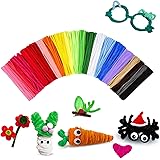
200 Pcs Pipe Cleaners Craft Bulk, 20 Colors Pipe Cleaner, Chenille Stems | Kids Toys & Games Gifts for Ages 5-7, Craft Supplies for Projects Creative DIY Room Decor, Halloween Christmas Decorations
$5.99 (as of September 18, 2026 22:40 GMT -04:00 - More infoProduct prices and availability are accurate as of the date/time indicated and are subject to change. Any price and availability information displayed on [relevant Amazon Site(s), as applicable] at the time of purchase will apply to the purchase of this product.)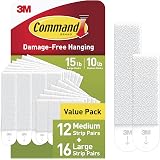
Now retrieving an image set.
Command 15 & 10 lb Assorted Picture Hanging Strips, 28 Pairs, SIOC | White Picture Hanging Strips, Damage-Free Wall Hangers for Frames, No Tools Required, Ideal for Decorating Apartments, Dorms
$13.99 (as of September 18, 2026 22:40 GMT -04:00 - More infoProduct prices and availability are accurate as of the date/time indicated and are subject to change. Any price and availability information displayed on [relevant Amazon Site(s), as applicable] at the time of purchase will apply to the purchase of this product.)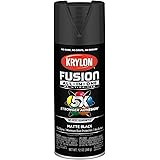
Now retrieving an image set.
Krylon Fusion All-In-One, Matte, Black, 12 oz
$6.98 (as of September 18, 2026 22:40 GMT -04:00 - More infoProduct prices and availability are accurate as of the date/time indicated and are subject to change. Any price and availability information displayed on [relevant Amazon Site(s), as applicable] at the time of purchase will apply to the purchase of this product.)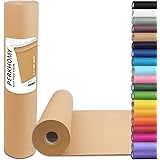
Now retrieving an image set.
PerkHomy Brown Kraft Paper Roll 17.5" x 1,200" (100') for Gift Wrapping Bulletin Board Craft Art Bouquet Flower Packing Valentines Easel Moving Shipping Floor Poster Covering Table 70GSM 50LB
$7.49 (as of September 18, 2026 22:40 GMT -04:00 - More infoProduct prices and availability are accurate as of the date/time indicated and are subject to change. Any price and availability information displayed on [relevant Amazon Site(s), as applicable] at the time of purchase will apply to the purchase of this product.)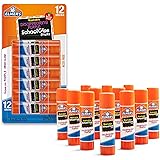
Now retrieving an image set.
Elmer's Disappearing Purple School Glue Sticks, Washable, 6 Grams, 12 Count - Arts & Crafts, Poster, Projects, Back to School, #1 Teacher Brand
$4.59 (as of September 18, 2026 22:40 GMT -04:00 - More infoProduct prices and availability are accurate as of the date/time indicated and are subject to change. Any price and availability information displayed on [relevant Amazon Site(s), as applicable] at the time of purchase will apply to the purchase of this product.)
Now retrieving an image set.