Crafts for three- and four-year-olds work best when the skill level matches the child’s current control of tearing, placing, gluing, drawing, and cutting rather than age alone. Beginners benefit from large pieces, short sessions, and open-ended marks; developing makers can sort shapes, spread glue, and follow two-part sequences. Children with steadier hands may try short snips, simple assembly, and recognizable pictures while an adult manages preparation and safety. A suitable activity feels slightly challenging but remains enjoyable: simplify it if the child repeatedly needs hand-over-hand help, abandons the task, or cannot manipulate the pieces safely.
Match the Activity to Observable Skills
Age provides a starting point, but the child’s actions provide better selection criteria. Two children who are both four may have very different experience with crayons, glue, dough, and scissors. Watch what each child can manipulate comfortably before choosing an activity. Useful observations include whether the child can peel a sticker, make controlled marks, place an item in a chosen location, squeeze a glue bottle, or open and close child-size scissors.
A well-matched task asks for one emerging ability while keeping the remaining demands familiar. A child who can tear paper but has little experience with glue might make a textured collage from adult-torn pieces and a glue stick. Asking that same child to draw shapes, cut them out, arrange them precisely, and glue them in order combines too many unfamiliar actions. The final picture may look simple to an adult even though the physical sequence is demanding.
Interest and stamina matter alongside hand control. Many preschoolers engage more successfully with a focused work period than with an elaborate result that requires prolonged sitting. Prepare enough material for a complete experience in roughly one short session, then offer an extension if the child remains involved. Adding eyes to a dough creature or stamping a border around a painting works better than requiring every optional detail from the beginning.
Judge suitability by participation rather than neatness. Uneven glue, overlapping shapes, and marks extending beyond an outline are normal evidence that the child did the work. Repeated adult correction can turn an achievable activity into a performance directed by someone else. The common mistake is choosing from the appearance of the finished sample instead of examining the motions needed to produce it.
For a quick fit check, identify the smallest loose component, the hardest hand movement, the number of steps, and the amount of waiting involved. Replace tiny pieces, pre-open difficult packaging, or divide a long sequence into separate sessions. This practical approach to Crafts for three- and four-year-olds by skill level preserves the intended experience without expecting identical performance from every child.
Five Skill Levels and Suitable Examples
Five flexible levels make activity selection easier without treating development as a rigid ladder. A child may be advanced at drawing and inexperienced with scissors, so assign the level by the main action required rather than labeling the child. Moving between levels is appropriate whenever a different material changes the difficulty.
Level 1: Grasping, Pressing, and Making Marks
Begin with large tools and immediate cause-and-effect. Chunky crayons, washable dot markers used with supervision, paint applied by a broad sponge, and soft dough invite gripping and pressing without demanding precision. A practical example is a large sheet taped to the table for broad crayon lines, followed by adult-applied stickers that the child presses down. Avoid tiny decorations and complicated outlines; the useful result is sustained manipulation, not a recognizable image.
Level 2: Tearing, Placing, and Joining
Children ready for more control can tear strips, position large shapes, and attach pieces with a glue stick. Try a color collage made from wide tissue or construction-paper strips. The adult can start a small tear at the edge if the paper resists. Thick card makes a sturdier base than thin paper when generous glue is likely. Precision templates are a poor match here because they make normal overlap look like an error.
Level 3: Sorting and Following a Short Sequence
At this level, offer two or three meaningful decisions. A child might choose large precut circles, sort them by color, glue three onto card, and add crayon stems to create balloons. Another option is pressing dough into a flat shape and adding large craft sticks under close supervision. Keep the sequence visible by setting materials from left to right rather than giving a long verbal explanation.
Level 4: Controlled Lines and Beginning Snips
Children who can stop a mark deliberately and operate appropriate child scissors may make short snips along the edge of a paper strip. The adult should remain within reach and confirm that the scissors are designed for children and that the child understands they are used only on the prepared material. Snipping fringe for a paper lion is more forgiving than cutting around a curved outline. Straight, short cuts offer frequent success and require less paper turning.
Level 5: Simple Planning and Assembly
A more experienced preschool maker may select pieces, arrange them before gluing, and complete three or four connected actions. For example, the child can draw a face on a large precut shape, add yarn hair, and attach a craft-stick handle. The adult still prepares any resistant material and supervises tools. A polished model should remain optional; otherwise, copying can replace planning and experimentation.
Prepare Materials for Safe, Independent Work
Thoughtful preparation gives young children more genuine independence than simply placing a large assortment on the table. Limit the initial selection to materials that serve the activity and are manageable in small hands. A shallow tray containing six large shapes is easier to navigate than a deep bin filled with mixed loose parts. Extra choices can be added once the child understands the task.
Check product labels and condition before every session. Use washable, age-appropriate art products according to their directions, and discard dried markers, cracked plastic tools, or damaged containers with sharp edges. Small items can present a choking risk, especially when younger siblings are nearby or a preschooler still puts objects in the mouth. Buttons, beads, pom-poms, googly eyes, and detached craft foam pieces therefore require particularly careful judgment and active adult supervision; larger paper features are often a more suitable substitute.
A compact setup checklist prevents avoidable interruptions:
- Surface: Cover the table and secure lightweight paper with removable tape.
- Quantity: Portion a modest amount of paint, glue, or loose pieces.
- Access: Put tools within reach without crowding the working area.
- Safety: Keep scissors, cords, and small components under direct adult control.
- Cleanup: Set out a damp cloth and a clearly designated place for wet work.
Glue format changes the difficulty. A glue stick offers controlled application and little drying time but may not hold textured pieces well. Liquid school glue can attach heavier paper, yet squeezing and portioning it adds a separate motor challenge. An adult can place small glue dots for a beginner while allowing the child to position the pieces. That adjustment is preferable to repeatedly removing excess glue after the child has applied it.
Preparation should remove barriers, not remove every decision. Precutting a difficult animal silhouette may be reasonable when the goal is decorating, while choosing all colors and fixing every piece in place leaves little for the child to contribute. Families and group leaders using Crafts for three- and four-year-olds by skill level should decide which single ability is being practiced, then handle only the steps outside that range.
Adjust Difficulty Without Taking Over
Difficulty can be changed by altering piece size, tool resistance, visual precision, sequence length, or the amount of adult preparation. Change one variable at a time so the child can still recognize the activity. If a shape collage is frustrating, enlarge the shapes or reduce their number before abandoning the concept altogether.
Use the least intrusive help that allows participation to continue. Begin with a short verbal cue such as “turn the paper” or “press the glue here.” If that is insufficient, demonstrate on a separate scrap rather than completing part of the child’s work. A prepared starting point can also help: loosen the cap, begin the tear, or draw one broad cutting line. Hand-over-hand control should not be the default because it replaces the child’s movement and can conceal that the task is currently too difficult.
Consider a four-year-old who wants to make a fringed fish but cannot cut the narrow strips shown in an adult sample. Widening the marked spaces and shortening the cutting distance keeps the snipping goal intact. Precutting the entire fringe would make the task easier but would remove the intended practice. By contrast, pre-cutting the fish’s curved outer shape is sensible because turning the paper around curves is a separate, more demanding skill.
Increase challenge only after the basic motion looks comfortable. A child who readily places large stickers could peel them independently, sort them by color, or use smaller—but still age-appropriate—stickers. Do not add all three changes at once. Success is visible when the child initiates steps, recovers from small mistakes, and remains engaged without continuous prompting. Failure signs include repeatedly dropping tools, asking the adult to do every step, using materials unsafely, or becoming upset by ordinary imperfections.
Adult expectations can also create artificial difficulty. A preschool collage does not need symmetrical placement, a dough animal does not need four equal legs, and a painted shape does not need fully covered edges. Offer descriptive feedback such as noticing layered colors or a newly controlled snip. Praise centered only on resemblance to the sample can encourage copying and make experimental results seem wrong.
Recognize Progress and Choose the Next Challenge
Progress appears in greater control, independence, and adaptability rather than increasingly elaborate finished pieces. Notice whether the child grips a tool with less strain, uses an appropriate amount of glue, rotates the page while cutting, or remembers the next action. Photographs and dated samples can reveal these changes, but comparison with other children is less informative because familiarity and interest vary widely.
Repeat familiar formats with one new demand. After several large-shape collages, introduce a choice between arranging pieces first or gluing immediately. After free dough play, invite the child to roll two pieces and join them. Repetition lets the physical movement become familiar while the small variation preserves problem-solving. Constantly switching to unrelated activities may create novelty, but it makes it harder to see whether a specific ability is becoming easier.
Choose the next challenge from what nearly worked. If the child tore paper independently but could not spread glue, keep the tearing level and change to a glue stick or adult-applied adhesive dots. If scissors opened and closed correctly but the paper folded, use firmer card strips narrow enough to cut with one closure. The material—not the child—may be the source of difficulty. Flimsy tissue, dried glue, blunt tools, and miniature pieces can undermine an otherwise suitable plan.
A balanced rotation includes mark-making, joining, modeling, and supervised tool use rather than advancing through only one medium. A child may build hand strength with dough, practice bilateral coordination by tearing paper, and develop visual placement through collage. These experiences complement each other without requiring worksheets or adult-perfect outcomes.
Review Crafts for three- and four-year-olds by skill level as a menu rather than a schedule. Step back when a child is tired, unfamiliar with the material, or working in a busy group. Move forward when the current action is safe, repeatable, and mostly self-directed. The aim is not to reach the highest level quickly; it is to preserve meaningful participation while gradually widening what the child can do.
Frequently Asked Questions
Should a three-year-old use scissors?
A child may use age-appropriate scissors with close adult supervision when able to follow basic safety directions. Begin with short snips in narrow, firm paper strips rather than curved outlines.
How long should a preschool craft session last?
Let engagement determine the endpoint rather than enforcing a fixed duration. Prepare a short core activity that can end cleanly, then offer an optional extension if the child remains interested.
What can replace small craft decorations?
Use large paper circles, drawn features, broad yarn lengths under supervision, or painted details. These alternatives preserve decoration choices while reducing reliance on tiny loose components.
What if a child refuses to copy the sample?
Treat the sample as one possibility, not a required result. If the child uses the materials safely and practices the intended motion, an original arrangement remains a valid outcome.
How can an adult tell when an activity is too hard?
Repeated requests for the adult to complete each action, unsafe tool handling, persistent inability to manipulate pieces, or mounting frustration signal a mismatch. Reduce one demand while retaining the main activity.
Conclusion
Select preschool activities by watching the movements a child can already manage and adding one reachable challenge. Large components, limited choices, suitable tools, and a short sequence usually create more productive participation than an intricate model. Prepare difficult background elements when necessary, but leave visible decisions and central hand movements to the child.
For the next session, identify one target action—such as tearing, placing, squeezing, drawing, or snipping—and inspect every material through that lens. Simplify the piece size or sequence if adult help dominates. Increase only one demand when the child works safely and independently. That responsive progression respects uneven development while giving three- and four-year-olds repeated opportunities to build control, make choices, and recognize their own work.
Now retrieving an image set.
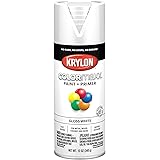
Krylon ColorMaxx 12 Oz. Gloss Spray Paint, White - 1 Each
$4.48 (as of September 18, 2026 22:40 GMT -04:00 - More infoProduct prices and availability are accurate as of the date/time indicated and are subject to change. Any price and availability information displayed on [relevant Amazon Site(s), as applicable] at the time of purchase will apply to the purchase of this product.)
Now retrieving an image set.
Crayola Air Dry Clay (5lbs), Teacher Supplies, Natural White Modeling Clay for Kids, Sculpting Material, Bulk Craft Supplies for Art Classrooms
$11.24 (as of September 18, 2026 22:40 GMT -04:00 - More infoProduct prices and availability are accurate as of the date/time indicated and are subject to change. Any price and availability information displayed on [relevant Amazon Site(s), as applicable] at the time of purchase will apply to the purchase of this product.)
Now retrieving an image set.
100% Pure Tea Tree Essential Oil for Skin & Diffuser - 4 Fl Oz | 100% Pure Tea Tree Oil for Blemish-Prone Skin & Flaky Scalp, suits Oily & Combination Skin, Daily Face Wash & Scalp Care
$9.99 (as of September 18, 2026 22:40 GMT -04:00 - More infoProduct prices and availability are accurate as of the date/time indicated and are subject to change. Any price and availability information displayed on [relevant Amazon Site(s), as applicable] at the time of purchase will apply to the purchase of this product.)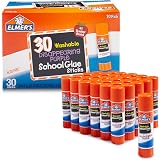
Now retrieving an image set.
Elmer's Disappearing Purple School Glue Sticks, Washable, 7 Grams, 30 Count - Posters, Back to School, Bulk Pack for Classrooms, #1 Teacher Brand
$7.49 (as of September 18, 2026 22:40 GMT -04:00 - More infoProduct prices and availability are accurate as of the date/time indicated and are subject to change. Any price and availability information displayed on [relevant Amazon Site(s), as applicable] at the time of purchase will apply to the purchase of this product.)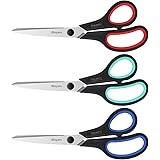
Now retrieving an image set.
iBayam 8.5" Heavy Duty Scissors All Purpose for Office School Crafts Sewing | 3-Pack, Ultra-Sharp 2.5mm Stainless Blades, Comfort Grip Handles, Left & Right Handed – Teacher Desk & Classroom Must-Have
$9.99 (as of September 18, 2026 22:40 GMT -04:00 - More infoProduct prices and availability are accurate as of the date/time indicated and are subject to change. Any price and availability information displayed on [relevant Amazon Site(s), as applicable] at the time of purchase will apply to the purchase of this product.)
Now retrieving an image set.