Choosing Symbols Preschoolers Can Understand
Three distinct images give preschoolers concrete ways to approach an idea they cannot see directly. A white dove, a red or orange flame, and curling lines of wind each offer a different visual and sensory connection. The images should remain simple enough for a child to recognize without needing an adult to explain every decorative detail.
The dove is commonly connected with the Holy Spirit through the Gospel accounts of Jesus’ baptism. For a preschool lesson, its most accessible association is peace. A broad bird silhouette with two wings is easier to identify than an anatomically detailed bird. Children can glue on one wing, add a dot for an eye, or press a thumbprint onto the body. Avoid making the bird so elaborate that the conversation shifts from the Holy Spirit to feathers, nests, or bird species.
A flame provides a visual link to Pentecost, when the biblical account describes what appeared to be tongues of fire resting on Jesus’ followers. The careful phrase here is “looked like fire,” rather than telling children that people caught fire. Two nested paper shapes—one red and one yellow—communicate the image without presenting a frightening scene. Explain that the flame reminds Christians of God’s presence and the courage given to Jesus’ friends.
Wind is useful because children can feel its effects even though they cannot see it. Curled paper strips, short ribbons, or drawn spirals make that movement visible. Ask children what happens to leaves or hair on a windy day, then move the ribbons gently. This comparison does not define everything Christians believe about the Holy Spirit; it simply gives a young child an appropriate starting point.
Some church traditions emphasize additional images, including water, oil, or a seal. Those symbols may belong in a broader curriculum, but placing too many on one preschool page weakens recognition. For a short session, choose one main image or combine no more than three. A focused Holy Spirit preschool craft with simple symbols is more teachable than a crowded collage whose parts children cannot remember.
A common mistake is treating symbols as exact pictures of the Holy Spirit. Use language such as “The dove reminds us of…” or “The wind helps us think about….” That distinction keeps the teaching accurate while remaining understandable. If children can point to a symbol and recall one brief association, the design is doing its job.
Materials and Preparation for a Safe Activity
Large, washable, easy-to-handle materials are better suited to preschoolers than tiny decorative supplies. Begin with heavyweight construction paper or light cardstock for the background. Add paper symbol shapes, washable glue sticks, broad crayons, and short lengths of ribbon or crepe-paper streamer. These choices allow children to participate meaningfully without requiring precise cutting or prolonged drying.
Preparation should match the group’s actual motor skills. Younger preschoolers may be able to place and press shapes but not cut curved wings or narrow flames. Precutting the dove body and the inner flame removes a frustrating barrier while leaving decisions for the child: where the pieces go, which colors to use, and how the wind lines should move. Older preschoolers can cut a simple outer flame along a thick printed line with close adult supervision.
Use the following compact preparation check before children arrive:
- Background: one sturdy sheet per child, plus a few extras.
- Symbols: large dove, flame, and spiral pieces sorted into shallow trays.
- Adhesive: washable glue sticks or small amounts of liquid glue in controlled containers.
- Tools: blunt-tip child scissors only when the group is ready to use them.
- Finishing supplies: broad crayons, name labels, and a flat place for wet work.
Small sequins, loose glitter, miniature pom-poms, beads, and short feather pieces add visual interest but create unnecessary problems in many preschool settings. They may be difficult to pick up, tempting to mouth, or hard to remove from floors and clothing. Drawn dots and paper circles can provide texture without relying on tiny loose parts. When choosing ribbon, use pieces long enough to handle but not long enough to wrap around a child’s neck, and supervise their use.
Liquid glue creates a stronger bond for ribbon, but it also produces longer drying times and puddles when squeezed freely. A glue stick is cleaner for paper-to-paper assembly. If ribbon is included, an adult can place one small line of liquid glue while the child presses the ribbon onto it. That division preserves participation without expecting preschoolers to control a large bottle.
Test one sample before the session rather than discovering midway that the paper curls or the ribbon will not adhere. The sample should verify construction, not become a model children must copy exactly. A successful setup leaves room for different wing positions, flame colors, and wind patterns. If every finished page has to match the adult example, the activity has shifted from child-centered making to adult-directed assembly.
Making the Dove, Flame, and Wind Picture
A predictable assembly order keeps the work area manageable and gives each symbol a moment of attention. Place the dove near the top of the background, build the flame near the bottom, and connect the space with wind spirals or ribbons. The arrangement is visually clear, but children may choose different positions unless the finished piece must fit a particular display.
- Add the dove. Glue down a simple white body and one or two wings. Draw an eye with a crayon rather than attaching a tiny movable eye.
- Build the flame. Layer a smaller yellow shape over a larger red or orange shape. Let children rotate the pieces and notice how the colors show together.
- Show the wind. Draw wide spirals with a blue crayon or attach two or three curling paper strips. If ribbons are used, leave part of each strip unglued so it can move.
- Finish with words. An adult can write a short line such as “The Holy Spirit is with us” or a phrase selected by the church’s curriculum.
Introduce one tray at a time rather than placing every supply on the table. When all pieces appear at once, children often glue first and listen later. Giving out the dove, discussing it briefly, and then moving to the flame creates a rhythm of hearing and doing. This method is especially useful in a classroom where several children need help with adhesive.
For example, a teacher working with eight children might demonstrate one glue swipe, distribute the dove pieces, and circulate while children press them down. The flame pieces can remain out of reach until the first stage is complete. This limits misplaced parts and prevents glue from drying while children wait. A helper can write names on the backs at the beginning, which avoids confusion when similar projects are laid out to dry.
Process choices should reflect available time. A 15-minute church nursery activity works better with precut pieces and crayons. A 30-minute preschool class can include simple scissor work, ribbon, and a short movement demonstration. Paint can create attractive flames, but drying and cleanup make it less practical when families collect the projects immediately after worship.
Watch for signs that the method is failing: children waiting for adults to complete every move, glue covering the entire page, or attention fading before the third symbol appears. Simplify at that point. Offer one symbol instead of three, replace liquid glue with glue sticks, or let children draw the wind rather than attach it. The purpose of Holy Spirit preschool craft with simple symbols is served by active participation and recognition, not by including every planned material.
Teaching the Meaning Without Overexplaining
Short, accurate statements are more effective than a long theological explanation during preschool art. Introduce each image in one or two sentences, invite a concrete observation, and allow the child to work. Repetition can happen naturally as the same words return while pieces are distributed and glued.
For the dove, say, “At Jesus’ baptism, the Holy Spirit came down like a dove. A dove can remind us of peace.” For the flame, try, “At Pentecost, something that looked like flames appeared. The flame reminds us that God was with Jesus’ friends and helped them speak with courage.” For wind, say, “We cannot see wind, but we can see what it moves. Wind can remind us that the Holy Spirit is present even though we cannot see the Holy Spirit.”
These phrases are comparisons, not complete definitions. Preschoolers commonly interpret figurative language literally, so avoid statements such as “The Holy Spirit is fire” without context. Do not suggest that a child should feel wind, heat, or a particular emotion as proof of faith. The symbols support memory and discussion; they are not tests of a child’s spiritual experience.
Questions should have reachable answers. “Which part moves like wind?” invites observation. “What color did you choose for your flame?” respects the child’s decision. “Can you show me the dove?” checks recognition. An abstract question such as “How does the Holy Spirit transform us?” is likely to produce silence or an answer aimed at pleasing the adult rather than demonstrating understanding.
A practical closing activity can join movement and language. Ask children to lift the ribbon side of the page and make it flutter gently while the group says, “We can see what the wind moves.” Then point to the dove and flame while repeating their simple associations. Keep the movement controlled so pages do not strike nearby children or tear before the glue sets.
Families benefit from a brief explanation at pickup. A note on the back might read, “Ask your child to show you the dove, flame, and wind. Each symbol helped us talk about the Holy Spirit.” This is more useful than sending home an unexplained picture. It gives caregivers language for continuing the conversation without requiring them to reconstruct the lesson.
Success looks different from visual perfection. Look for children naming a symbol, repeating a simple connection, making an intentional placement choice, or explaining the moving ribbon to a caregiver. If children remember only colors and glue, shorten the next design and spend more time connecting each object to its meaning. The strongest Holy Spirit preschool craft with simple symbols leaves a clear memory because its images, words, and motions reinforce one another.
Frequently Asked Questions
Which Holy Spirit symbol is easiest for preschoolers?
A dove is usually easiest to recognize and assemble from large shapes. Wind is especially effective when ribbons or paper strips add visible movement.
Can this activity be used for Pentecost?
Yes. Emphasize the layered flame and explain that Acts describes something that looked like fire. Keep the wording calm and avoid implying that the disciples were physically burning.
What can replace ribbon in the wind symbol?
Use broad crayon spirals, curled construction-paper strips, or crepe-paper streamers. Drawn spirals are the quickest option when drying time or loose materials are concerns.
Should preschoolers cut out their own pieces?
Precut curved or narrow shapes for children who are still developing scissor control. Children ready for cutting can follow a thick line around one large, simple shape with close supervision.
How long should the craft take?
Allow about 15 minutes with precut pieces or up to 30 minutes when children cut, add ribbon, and discuss each symbol. Reduce the design to one image if attention begins to fade.
Conclusion
Choose clarity over decoration when preparing this preschool faith activity. A recognizable dove, a layered flame, and a moving wind element give children three concrete ways to remember an otherwise invisible subject. Match the construction to the group: precut difficult curves, reserve scissors for children who can control them, and avoid tiny embellishments that add risk without adding meaning.
During assembly, present one symbol at a time and connect it with one accurate sentence. Let children decide placement and color so the project remains genuinely theirs. Before the session ends, ask them to identify a symbol or show how the wind moves. That quick response reveals more than a perfectly matched sample. If time, attention, or dexterity is limited, simplify the page rather than completing it for the child.
Now retrieving an image set.
Krylon ColorMaxx 12 Oz. Gloss Spray Paint, White - 1 Each
$4.48 (as of September 18, 2026 22:40 GMT -04:00 - More infoProduct prices and availability are accurate as of the date/time indicated and are subject to change. Any price and availability information displayed on [relevant Amazon Site(s), as applicable] at the time of purchase will apply to the purchase of this product.)
Now retrieving an image set.
200 Pcs Pipe Cleaners Craft Bulk, 20 Colors Pipe Cleaner, Chenille Stems | Kids Toys & Games Gifts for Ages 5-7, Craft Supplies for Projects Creative DIY Room Decor, Halloween Christmas Decorations
$5.99 (as of September 18, 2026 22:40 GMT -04:00 - More infoProduct prices and availability are accurate as of the date/time indicated and are subject to change. Any price and availability information displayed on [relevant Amazon Site(s), as applicable] at the time of purchase will apply to the purchase of this product.)
Now retrieving an image set.
Goo Gone Adhesive Remover Spray Gel 12 Oz with Scraper, Surface Safe | Citrus Cleaning Power for Hard Surfaces, Carpet & Fabric, Removes Glue, Stickers, Tape Residue, Grease, Gum & Wax, Drip Free
$17.98 (as of September 18, 2026 22:40 GMT -04:00 - More infoProduct prices and availability are accurate as of the date/time indicated and are subject to change. Any price and availability information displayed on [relevant Amazon Site(s), as applicable] at the time of purchase will apply to the purchase of this product.)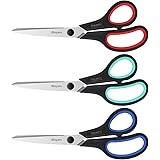
Now retrieving an image set.
iBayam 8.5" Heavy Duty Scissors All Purpose for Office School Crafts Sewing | 3-Pack, Ultra-Sharp 2.5mm Stainless Blades, Comfort Grip Handles, Left & Right Handed – Teacher Desk & Classroom Must-Have
$9.99 (as of September 18, 2026 22:40 GMT -04:00 - More infoProduct prices and availability are accurate as of the date/time indicated and are subject to change. Any price and availability information displayed on [relevant Amazon Site(s), as applicable] at the time of purchase will apply to the purchase of this product.)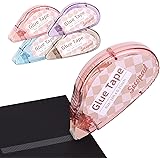
Now retrieving an image set.
Secopad Scrapbook Tape, Glue Tape for Crafts, 4 Pack, Light-Colored Shell | 0.3IN x 26FT, Sticky & Safe, Double Sided Tape for Crafts, Scrapbooking Junk Journaling Supplies, For School Office Teachers
$6.99 (as of September 18, 2026 22:40 GMT -04:00 - More infoProduct prices and availability are accurate as of the date/time indicated and are subject to change. Any price and availability information displayed on [relevant Amazon Site(s), as applicable] at the time of purchase will apply to the purchase of this product.)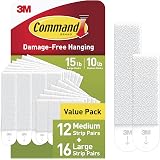
Now retrieving an image set.